
The global skincare market is projected to surpass $200 billion by 2028, and 2026 is shaping up to be one of the most accessible years ever for new brand founders to enter the space. With advances in contract manufacturing, lower minimum order quantities, and direct-to-consumer distribution channels, the barriers to entry have never been lower. But accessibility does not mean simplicity — launching a skincare brand that stands out requires careful planning, the right partners, and a clear strategy.
Step 1: Define Your Niche and Target Audience
The most successful skincare brands in 2026 are not trying to be everything to everyone. Before you develop a single product, you need to identify exactly who you are serving and what problem you are solving. Are you targeting Gen Z consumers looking for affordable, clean beauty? Professionals seeking clinical-grade anti-aging solutions? Men who want a simplified routine? The more specific your niche, the more effectively you can formulate products, design packaging, and craft marketing messages that resonate.
Research your competitors, survey potential customers, and identify gaps in the market. Look at social media trends, ingredient demand data, and emerging consumer preferences. This foundational work will inform every decision you make going forward.
Step 2: Develop Your Brand Identity
Your brand identity encompasses far more than a logo and color palette. It includes your brand story, values, voice, visual language, and the emotional connection you want to create with your customers. In a crowded market, brand identity is often the deciding factor between a product that sells and one that sits on shelves.
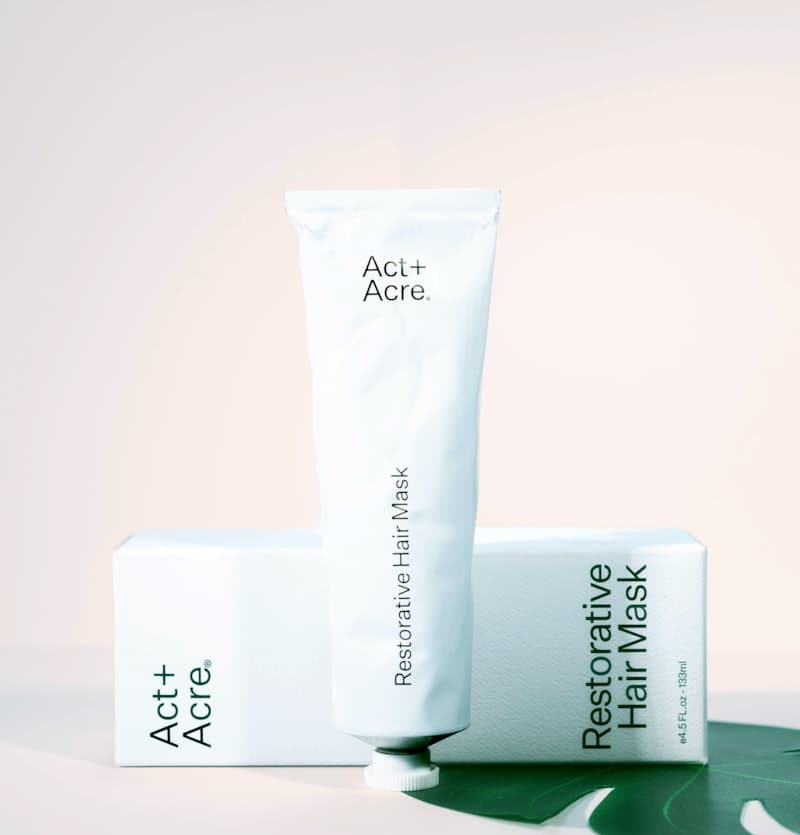
Invest in professional branding that reflects the quality of your products. Consider how your packaging will look on a shelf, in an Instagram post, and in an unboxing video. Your brand should communicate trust, expertise, and a clear point of view about skincare.
Step 3: Choose the Right Manufacturing Partner
Your manufacturing partner is arguably the most critical decision you will make. Look for a facility that is FDA-registered and follows Good Manufacturing Practice (GMP) protocols. These certifications are not just nice-to-haves — they are essential for product safety, regulatory compliance, and retailer requirements.
A great manufacturing partner will offer more than just production capacity. They should provide guidance on formulation feasibility, help you navigate regulatory requirements, offer flexible minimum order quantities for new brands, and support you through the entire development process. The best partnerships feel collaborative, not transactional.
Step 4: Formulation and Product Development
Whether you choose a private label approach with pre-existing formulas or invest in custom formulation, the product development phase is where your brand vision becomes tangible. Work closely with your manufacturer's R&D team to select ingredients that deliver on your product claims, meet your target price point, and align with your brand values (clean, vegan, organic, etc.).
Expect multiple rounds of sampling and refinement. Test products with your target audience before committing to large production runs. Pay attention to texture, scent, absorption rate, and the overall sensory experience — these details matter enormously to consumers.
Step 5: Packaging, Compliance, and Launch
With the Modernization of Cosmetics Regulation Act (MoCRA) now in effect, regulatory compliance is more important than ever. Ensure your product labels include all required information: ingredient lists in INCI format, proper warnings, net weight, and manufacturer details. Your manufacturing partner should help you navigate these requirements.
Choose packaging that protects your formula, reflects your brand aesthetic, and meets sustainability expectations where possible. Once your products are packaged and quality-tested, develop a launch strategy that includes pre-launch marketing, influencer partnerships, and a strong e-commerce presence.
Ready to Get Started?
Launching a skincare brand is a significant undertaking, but with the right preparation and partners, it is entirely achievable — even for first-time founders. The key is to move methodically, invest in quality at every stage, and choose partners who are genuinely invested in your success. If you are ready to take the first step, a consultation with an experienced manufacturing partner can help you map out your timeline, budget, and product roadmap.
Romano Group Team
Expert insights on beauty manufacturing, formulation, and regulatory compliance.
Ready to Start Your Brand?
Talk to our team about bringing your skincare vision to life with FDA-registered manufacturing.
Get in TouchRelated Articles
Private Label vs Custom Formulation: Which Is Right for Your Brand?
Understanding the key differences between private label and custom formulation to make the best choice for your business.

FDA Compliance for Beauty Brands: What You Need to Know About MoCRA
Navigate the latest FDA regulations and MoCRA requirements to ensure your beauty brand stays compliant.